
WHAT WE DO
“WE CREATE RELATIONAL, EMBODIED SPACES THAT TRANSFORM HOW PEOPLE CONNECT.”
At The Connection Project, we help people build better relationships with themselves, with others, and within their communities.
We design and deliver experiential workshops, pop-up experiences, and media that foster emotional, relational, and social intelligence.
Our work equips people with the skills to listen more deeply, relate more honestly, and create safer, more caring spaces in their everyday lives.
WE WORK WITH
We work with students and young people who are navigating relationships, identity, and community in a complex and fast-changing world. This is a time where many are experiencing emotional overwhelm, loneliness, and challenges in communication, boundaries, and conflict.
Our work creates spaces where young people can slow down, reflect, and develop the relational skills needed to better understand themselves and connect with others.
Student associations and boards play a key role in shaping the social culture of university life.
We work with these groups to:
- reflect on safety and connection within their communities
- strengthen relational and leadership skills
- and design initiatives that foster healthier group dynamics
Our approach supports boards in becoming active agents of cultural change.
We work with introduction weeks as key moments that shape the culture students enter into.
These first experiences often set the tone for how students relate to each other, to boundaries, to inclusion, and to safety.
Our approach focuses on embedding social safety not as a set of rules, but as a relational practice rooted in empathy, awareness, and accountability from the very beginning of student life.
We collaborate with universities as whole ecosystems working across students, staff, leadership, and existing structures.
Rather than one-off interventions, we support universities in developing a more holistic approach to social safety and connection, combining:
- workshops and programs
- participatory insight and dialogue
- and alignment with institutional systems
This enables a shift toward embedded cultures of care, accountability, and connection.
WHAT WE OFFER
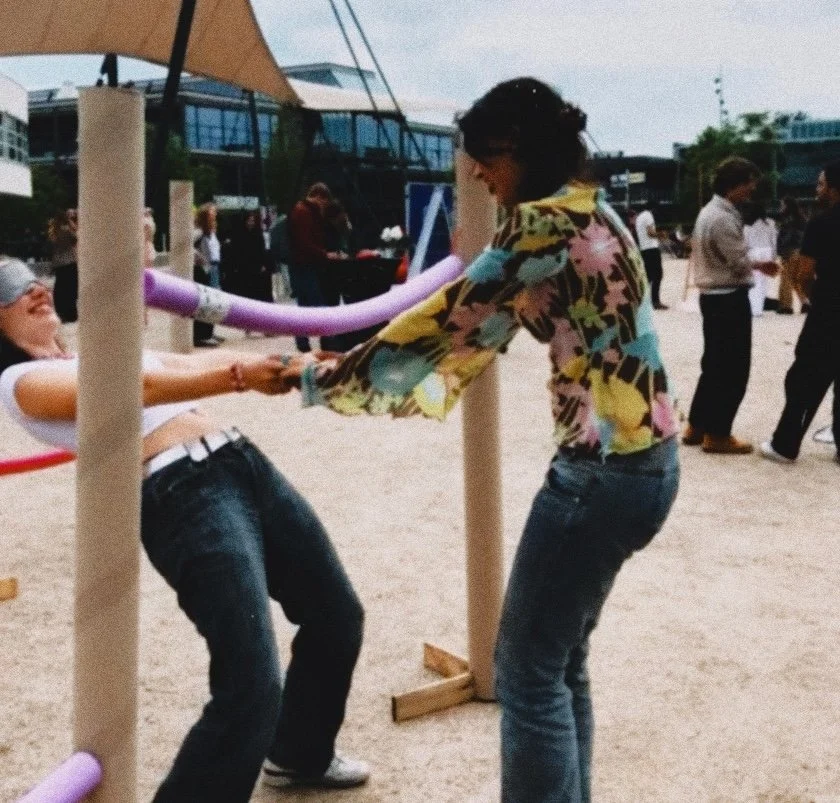
POP-UPs
Pop-ups are interactive installations that spark curiosity and conversation in public or semi-public spaces. These are designed to lower the threshold for participation and invite people to engage with complex topics in creative, accessible ways.
Duration: 2.5-8 hours
Formats: Interactive booths, visual installations, guided activities
Audience: Open to passersby, designed for high-traffic environments like campus fairs, festivals, or community events
Location: Hallways, atriums, campus squares, or during student events
Pop-ups make the invisible visible, inviting people to pause, reflect, and relate in new ways.
Pop-ups make the space accessible to people that might otherwise not directly sign up to a workshop.
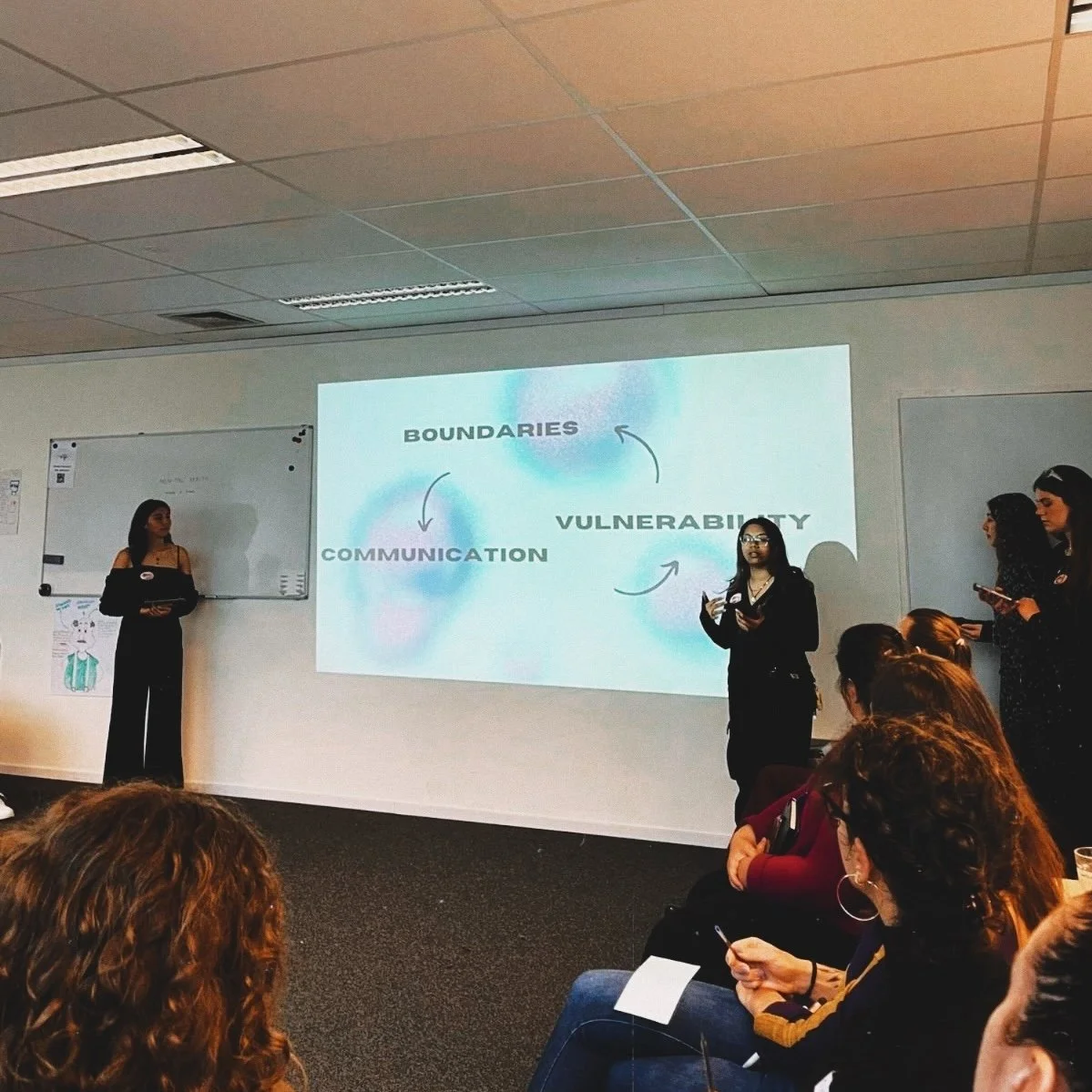
WORKSHOPs
Our workshops are immersive, co-created learning experiences designed to explore relational and emotional intelligence in depth. Rooted in embodiment, dialogue, and play, these sessions create space for people to reflect, feel, and grow individually and collectively.
Duration: 1–2.5 hours
Format: Facilitated sessions in classrooms, trainings, events, or community gatherings
Group size: 10–20 participants
Audience: Students, staff, educators, facilitators, team members, communities
Location: Universities, offices, conferences, festivals, or community spaces
Whether it’s a one-off session or part of a larger program, workshops invite participants to dive deeper into relational practices in a safe and grounded environment.
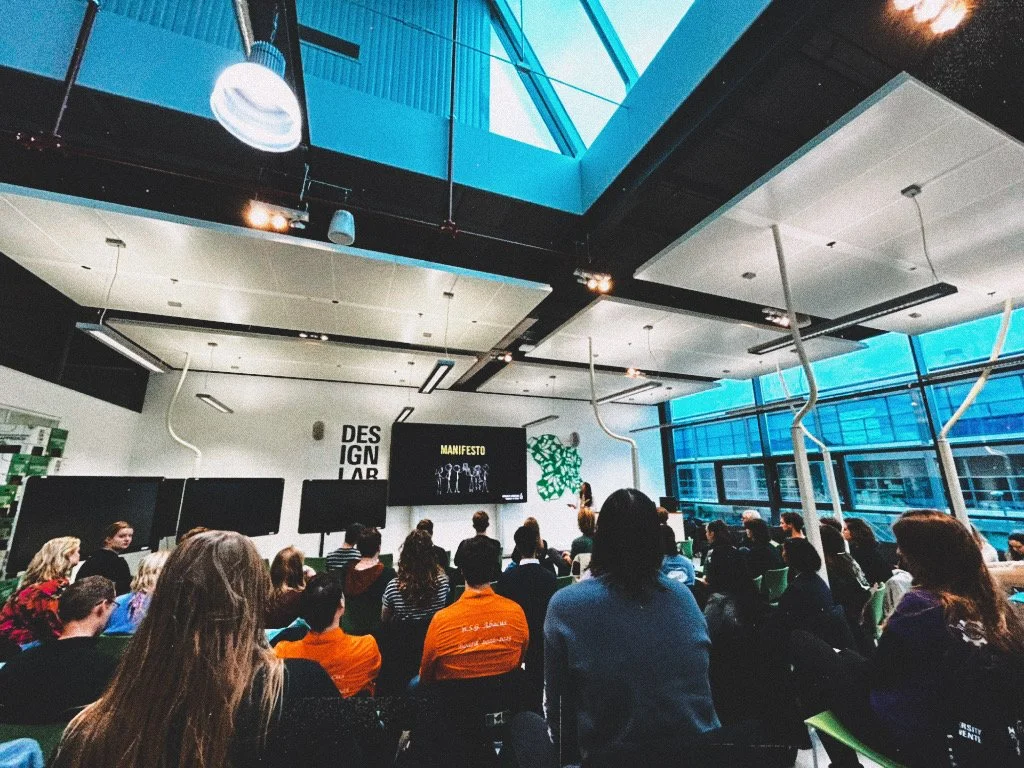
PROGRAMS
Programs are longer-term learning journeys that bring together multiple workshops, practices, and processes into a coherent and evolving experience. They are designed to create deeper transformation over time, both at an individual and collective level. Rather than one-off sessions, programs allow participants to build skills progressively, reflect on their lived experiences, and apply what they learn within their own communities and contexts. Programs often combine workshops, facilitated dialogues, reflection processes, and practical implementation, supporting not only personal development but also cultural change within groups, communities, or institutions.
Duration: Multi-session (weeks to months)
Format: Series of workshops, dialogues, and applied practices
Group size: 10–30 participants (depending on format)
Audience: Student groups, associations, leadership teams, communities, and institutions
Location: Universities, organizations, or hybrid formats
Programs are especially suited for those looking to move beyond awareness and into sustained practice, leadership development, and systemic impact.
Core themes we work with
Disconnection and harm often emerge in the same places: in how we navigate consent and boundaries, how we handle conflict, and how we relate to emotions.
We focus on these three spaces because they are where disconnection often repeats itself. And also where care, courage, and connection can be reclaimed.
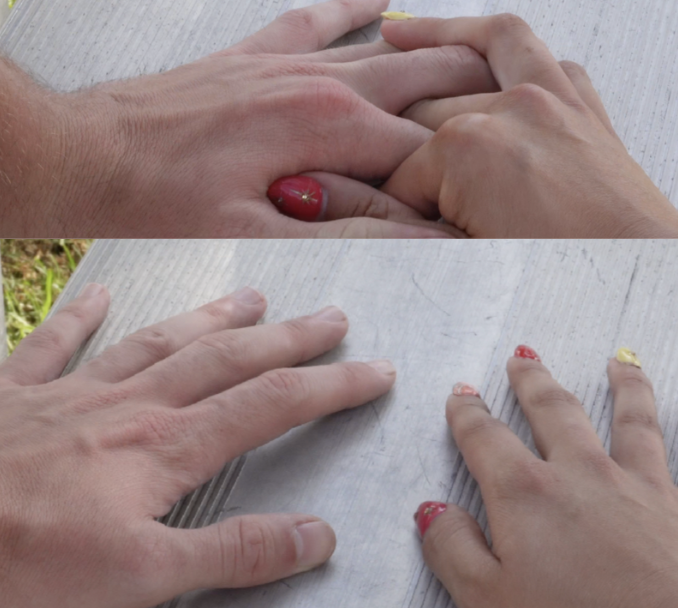
embodied consent & Boundaries
What if consent was a tool for connection rather than protection?
-
We live in a world where consent is often only discussed after it's been violated and usually only in sexual or legal terms. Many people don’t know how to ask for consent or hear “no” without shame. Boundaries are misunderstood as rejection, and silence is often mistaken for agreement. People say yes while their body is saying no.
-
Consent is not just about a yes or no — it’s about whether there’s room for honesty. For someone to feel safe enough to speak their truth. Connection begins when choice is made visible. When someone’s “no” is honored, their “yes” becomes meaningful.
We understand consent as a relational practice rooted in curiosity, presence, and mutual respect. Boundaries are not walls, they’re what make closeness safe.
-
When we center consent and boundaries in all areas of life, not just intimacy, we foster cultures of trust, respect, and autonomy. In a world where pressure and performance are normalized, reclaiming consent as a felt, relational experience helps us transform not just harm, but the systems and scripts that perpetuate it.
-
Deepen somatic awareness: noticing how desire, discomfort, and boundaries feel in the body
Practice asking for and giving consent in multiple contexts (not just sex)
Develop capacity to receive and respect a “no” without collapse or coercion
Unpack internalized narratives of guilt, obligation, and pressure
Build fluency in negotiating needs and desires collaboratively
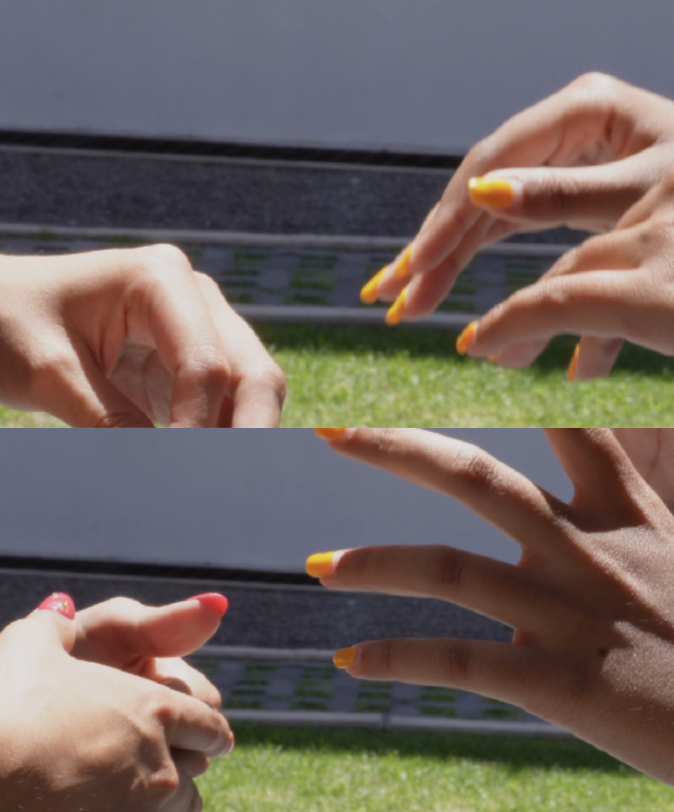
NAVIGATING CONFLICT & REPAIR
What if conflict was the beginning of connection, not the end?
-
We’re taught to avoid conflict until it explodes or to stay silent and swallow discomfort. People are afraid of being wrong, being blamed, or losing connection entirely. Others have never learned how to take responsibility without spiraling into guilt or shame.
Conflict becomes something to fear or fight, rather than a natural part of being in relationship.
-
Conflict isn’t the opposite of connection, it’s one of its most powerful tests. When approached with curiosity, humility, and care, conflict can become a doorway to deeper understanding and trust.
Repair is not just about apologizing. It’s about accountability, listening, truth-telling, and the courage to stay in relationship through discomfort.
-
Without tools for navigating conflict, harm goes unaddressed, resentment festers, and relationships break down. At a larger scale, communities fragment and cycles of harm repeat.
Learning how to repair is one of the most important relational skills we can cultivate, especially in a world struggling with polarization, power imbalances, and fear of vulnerability.
-
Identify your personal conflict patterns (fight, flight, freeze, fawn)
Initiate and hold difficult conversations with more confidence
Practice listening without defensiveness
Learn to offer and receive apologies that are meaningful and accountable
Understand how power, identity, and systemic dynamics shape conflict and repair
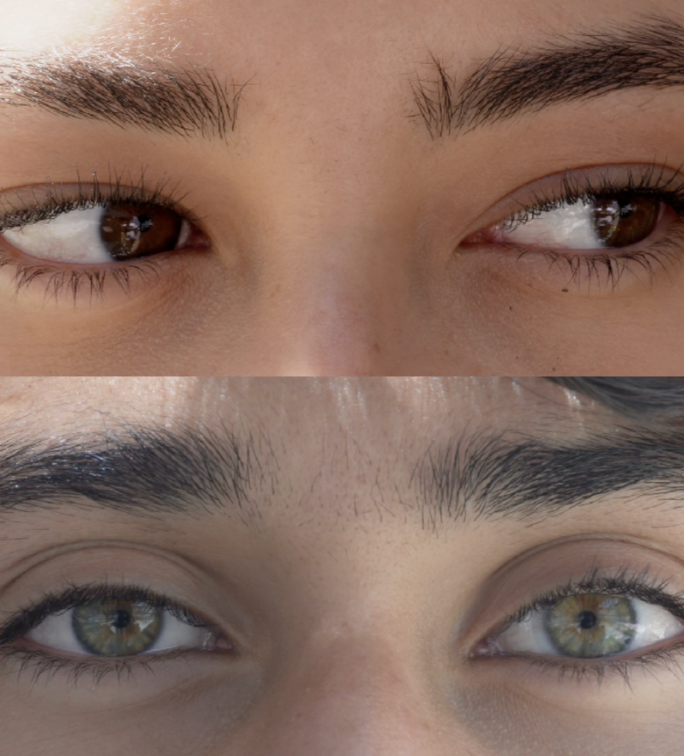
EMOTIONAL & RELATIONAL AWARENESS
What if every feeling carried a message, and you knew how to listen?
-
Many of us were never taught how to feel our emotions, let alone how to share those feelings with others. Instead, we’re told to hide sadness, suppress anger, or push through fear. We mistake emotional strength for numbness, and confuse vulnerability with weakness.
Social norms, culture, and identity shape which emotions are allowed and which are punished. This leads to relationships that collapse under the weight of unspoken needs, misunderstood signals, and emotional mistrust.
-
Connection begins with awareness. With the ability to recognize what’s alive in ourselves and in others and respond with care. Emotional and relational awareness is not about control, but about presence. About listening to your body, giving your emotions room to breathe, and learning to attune to others without fixing, judging, or disappearing.
This isn’t just emotional “intelligence”, it’s emotional truth-telling.
-
Without emotional fluency, relationships stay on the surface. Without attunement, people feel unseen. Suppressed emotions don’t disappear, they leak out through withdrawal, outbursts, resentment, or burnout.
By strengthening emotional and relational awareness, we create the conditions for honesty, empathy, and trust. This isn’t just good for personal well-being, it’s essential for building communities where people can truly belong.
-
Identify emotional patterns and triggers without judgment
Practice grounding and self-regulation through body-based tools
Learn to hold space for others’ feelings without over-functioning or disappearing
Build emotional vocabulary and permission to feel fully
Understand how social norms (gender, race, culture) shape how we express and receive emotion.
OUR PROGRAMS
CULTIVATING CONNECTION
PROGRAM FOR STUDENTS AND YOUTH
A workshop-based journey supporting participants in reconnecting with themselves, with others, and with the world around them.
The program is structured across three core themes:
Embodied Consent & Boundaries
Emotional & Relational Awareness
Navigating Conflict & Repair
Each theme includes two workshops: one focused on self-awareness, and one on relational practice.
Participants develop the skills to understand their inner world, communicate boundaries, navigate conflict, and build meaningful connections through practice, reflection, and dialogue.
PROGRAM FOR ASSOCIATIONS AND BOARDS
RELATIONAL LEADERSHIP
A program supporting student leaders in strengthening both their personal leadership and the culture of their communities.
The program includes three interconnected elements:
Community Reflection
Exploring dynamics of safety, connection, and responsibility within their association
Intervention Design
Co-creating initiatives such as onboarding structures, codes of conduct, or accountability processes
Relational Skill Development
Building capacity in communication, conflict navigation, and responsible leadership
This program enables boards to translate relational awareness into concrete cultural change within their communities.
PROGRAM FOR INCOMING STUDENTS
INTRODUCTION WEEKS
We design tailored interventions for introduction weeks to embed a culture of social safety, connection, and responsibility from the very start of student life.
Our approach includes:
Training for Hosts (‘Parents’ / student Mentors)
Equipping student leaders with the skills to create safe, inclusive, and connected group environments as they welcome new incoming students.
Workshops for Staff & Crew
Supporting organisers, bar staff, and teams in understanding relational dynamics, boundaries, and responsibility. Equipping them with the right tools to harness social safety within their role.
Media & Awareness Campaigns
Developing videos and social media content that communicate social safety in an engaging and accessible way.
Pop-ups, Workshops & Community Spaces
Interactive formats during introduction fairs and events that invite new students into conversations and practices around connection
Rather than focusing on fear based prevention, this program fosters a culture where empathy, vulnerability, and accountability become the norm in how students relate.
PROGRAM FOR UNIVERSITY ECOSYSTEMS
HOLISTIC APPROACH
Our holistic approach brings together all our programs into one connected way of working across the university ecosystem.
We work with the general student body, introduction weeks, aspiring student leaders, and existing communities such as associations and boards, strengthening the relational culture of student life from within. At the same time, we connect this informal culture with the formal systems of the university, supporting how social safety is both lived and addressed.
Alongside our workshops and programs, we create spaces to learn from lived student experiences through story points, focus groups, and participatory narrative inquiry. These processes help surface what is actually happening in student life and translate these insights into meaningful reflection and institutional dialogue.
By combining relational skill-building, community engagement, and system alignment, we support universities in moving from fragmented initiatives toward a more connected approach, where prevention, culture, and response are aligned, and where students can engage with each other with care, awareness, and accountability.