
consent as a tool for connection

We’re living in the most connected era of human history, where our ability to connect with each other becomes one of our most vital skills.
Across campuses and communities, we see rising loneliness, burnout, and unspoken harm in everyday interactions.
The Connection Project was created in response to this growing disconnection, to transform how we relate to ourselves, each other, and the world around us.
Read our story…
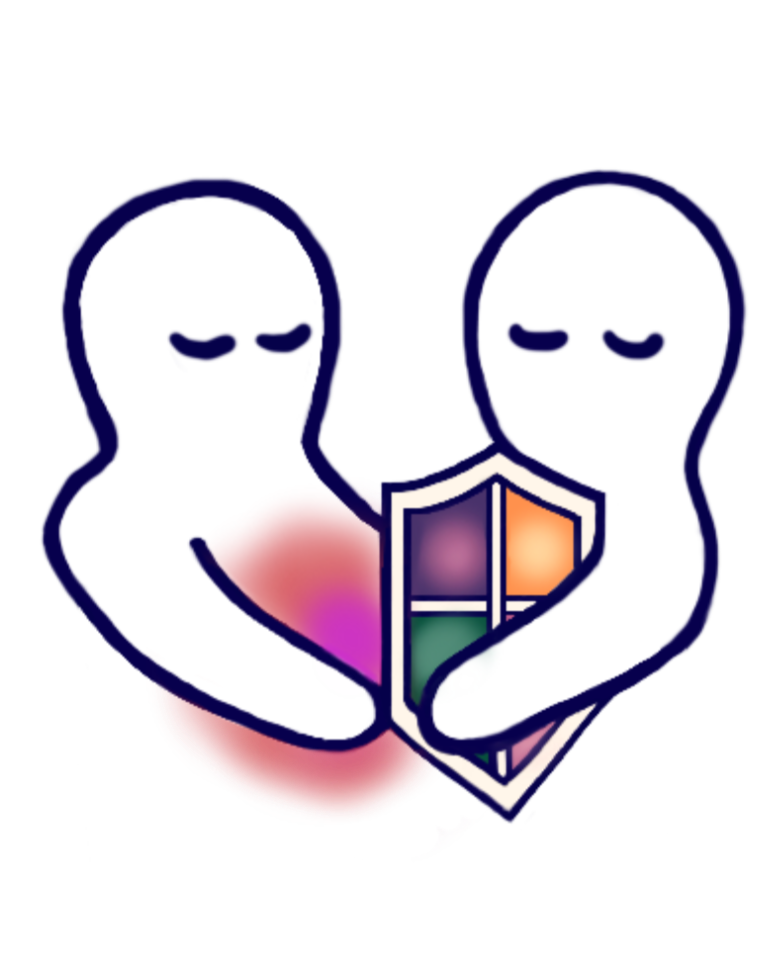
We create relational, embodied learning experiences that help students, communities, and institutions build the skills to connect, communicate, and navigate relationships with awareness and care.

from protection
to connection

WHAT WE DO
We create spaces where people don’t just learn about connection, they practice it.
Through workshops, pop-ups, and programs, we design interactive experiences that invite reflection, participation, and real-life application.
Participants develop emotional awareness, relational skills and the ability to navigate boundaries, conflict, and connection.
If we want a brighter future, we can’t only resist what exists.
We have to start building and practicing alternatives, in how we relate, every day.
Core themes we work with
embodied consent & Boundaries
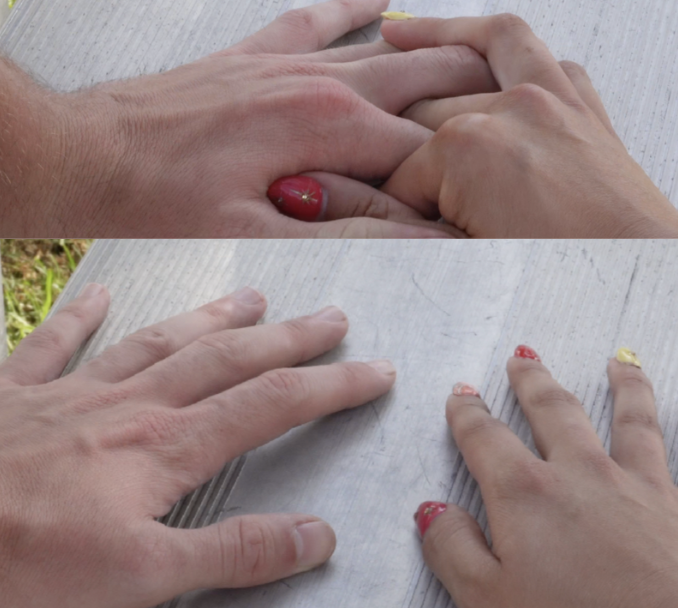
What if consent was a tool for connection rather than protection?
NAVIGATING CONFLICT & REPAIR
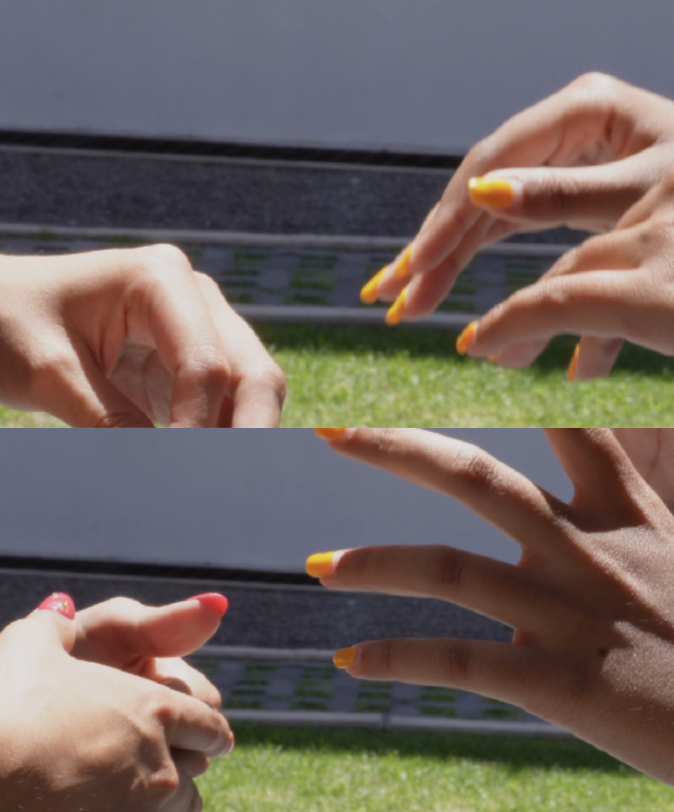
What if conflict was the beginning of connection, not the end?
EMOTIONAL & RELATIONAL AWARENESS
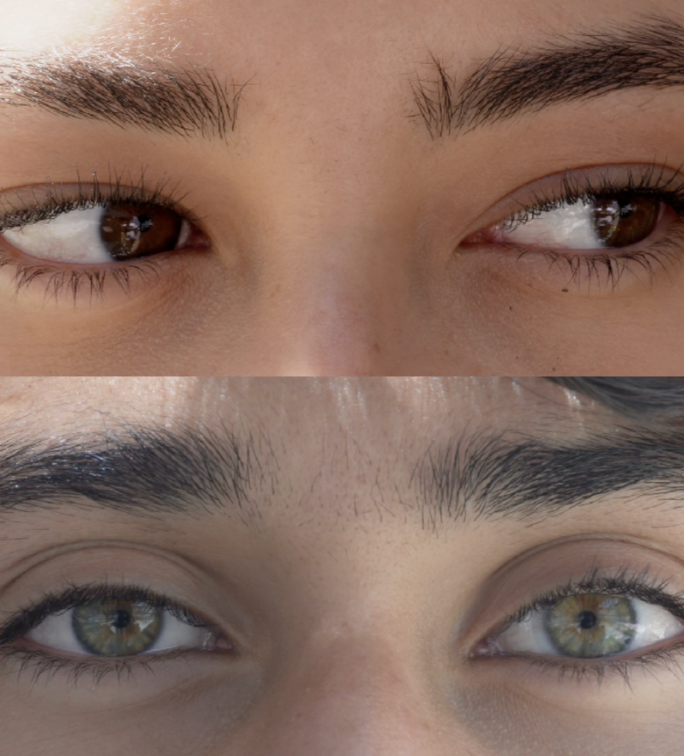
What if every feeling carried a message, and you knew how to listen?
OUR MISSION
We create safer communities, not just by preventing harm, but by transforming how we relate.
We believe that people are wired for connection and that social safety begins not with rules, but with relationships.
OUR origin
We began in response to sexual violence on university campuses, but quickly discovered that the roots of this violence ran deeper: into our systems, our cultural norms, and the way we were taught to relate.
WE WORK WITH
CONSENT AS A TOOL FOR CONNECTION
RATHER THAN PROTECTION
A short film by The Connection Project titled “Consent: A tool for connection.”
testimonies